



























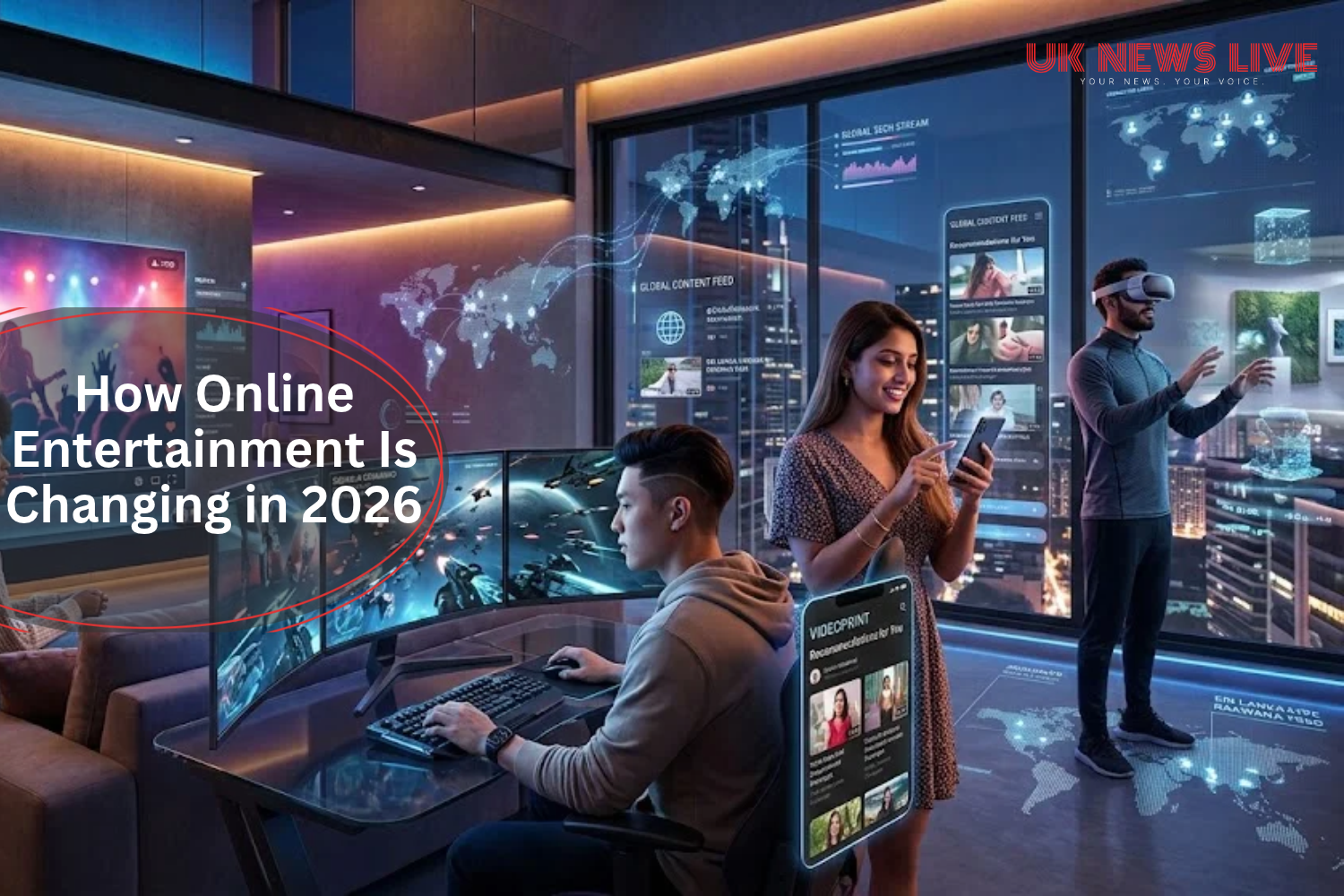
The digital entertainment landscape has undergone a profound transformation over the past decade.
What began as simple streaming services and basic online games has evolved into a sophisticated ecosystem where interactivity, personalization, and real-time engagement define the user experience.
Consumers no longer passively consume content; they expect immersive, participatory experiences that blend the convenience of digital access with the authenticity of real-world interaction.
This shift is reshaping industries from film and music to gaming and gambling, forcing providers to rethink how they capture and retain attention.
The Rise of Interactive Experiences

Traditional entertainment models relied on one-directional delivery. Audiences watched, listened, or played in isolation. Today, interactivity has become the central pillar of online engagement.
Live streaming platforms allow creators to communicate directly with their audiences, turning passive viewers into active participants. This democratization of content creation has expanded the definition of entertainment itself, enabling niche communities to flourish and giving rise to new forms of digital celebrity.
The gaming sector exemplifies this transformation most clearly. Multiplayer environments, social integration, and real-time competition have made games inherently social experiences. The success of these formats demonstrates that modern audiences crave connection as much as content, and that the boundary between creator and consumer continues to blur.
Technology as the Driving Force
None of these changes would be possible without rapid advances in technology. The widespread adoption of smartphones and the expansion of high-speed internet have fundamentally altered how people access entertainment. Analysts note that mobile connectivity and Gen Z trends have become a decisive factor in the growth of real-time digital experiences, allowing users to engage from virtually anywhere at any time.
Beyond connectivity, innovations in streaming infrastructure, cloud computing, and artificial intelligence have enabled seamless, high-quality delivery of content. Low-latency streaming makes real-time interaction feasible, while machine learning algorithms personalize recommendations with remarkable precision. These technological foundations have created an environment where entertainment is not only accessible but tailored to individual preferences, raising expectations across every sector.
The Live Casino Revolution

Perhaps no segment illustrates the convergence of technology and entertainment better than online gambling, specifically the emergence of live dealer gaming. For years, online casinos relied on computer-generated outcomes that, while functional, lacked the atmosphere and trust associated with physical venues. Live dealer formats changed this entirely by streaming real human dealers in real time, recreating the social and sensory elements of a traditional casino floor.
This innovation addressed a fundamental limitation of digital gambling: the absence of human connection. Industry observers have documented how live casinos are evolving from traditional models into dynamic, interactive platforms that prioritize authenticity. By combining professional dealers, multiple camera angles, and interactive chat features, these experiences bridge the gap between physical and digital gambling.
Platforms such as Optibet have embraced this model, offering players the opportunity to engage with live dealers and fellow participants in a manner that feels remarkably close to the real thing. This approach reflects a broader industry trend toward experiential entertainment, where the quality of interaction matters as much as the outcome of any single game.
Why Authenticity Matters

The appeal of live formats speaks to a deeper truth about modern consumers: they value authenticity. In an era saturated with automated content and algorithmic recommendations, genuine human interaction has become a premium commodity. Live experiences offer transparency, spontaneity, and a sense of trust that automated systems struggle to replicate.
Commentators analyzing the sector have highlighted how live dealer games captivated audiences precisely because they restored the emotional and social dimensions that pure automation had stripped away. This demand for authenticity extends beyond gambling into virtually every form of entertainment, where audiences increasingly reward transparency and penalize artificiality.
Personalization and Data

Alongside interactivity and authenticity, personalization has become a defining feature of online entertainment. Data analytics allow providers to understand individual behaviours, preferences, and patterns with unprecedented accuracy. This information enables platforms to curate experiences that feel uniquely relevant, increasing engagement and loyalty.
However, this personalization carries responsibilities. The collection and use of personal data raise legitimate concerns about privacy, consent, and ethical boundaries. Forward-thinking companies recognize that sustainable success depends not only on leveraging data effectively but also on earning and maintaining consumer trust through transparent practices and robust protections.
Challenges and Considerations
The rapid evolution of online entertainment is not without obstacles. Regulatory frameworks often struggle to keep pace with innovation, creating uncertainty for providers and consumers alike. Issues surrounding content moderation, responsible gambling, and digital wellbeing demand careful attention. The same technologies that enable engaging experiences can also facilitate excessive consumption or harmful behaviours if left unchecked.
Responsible operators are increasingly implementing safeguards, from spending limits to self-exclusion tools, recognizing that long-term viability depends on protecting their users. This balance between innovation and responsibility will define the next phase of the industry’s development.
Looking Ahead
The trajectory of online entertainment points toward even greater immersion and interactivity. Emerging technologies such as virtual reality, augmented reality, and advanced artificial intelligence promise to further dissolve the barriers between physical and digital experiences. As these tools mature, the line separating online and offline entertainment will continue to fade.
Ultimately, the transformation of entertainment online reflects a fundamental shift in human expectations. Audiences demand experiences that are interactive, authentic, personalized, and responsible. The providers who understand and embrace these principles will shape the future of digital engagement, delivering experiences that resonate deeply while respecting the people they serve across an increasingly connected world.