





















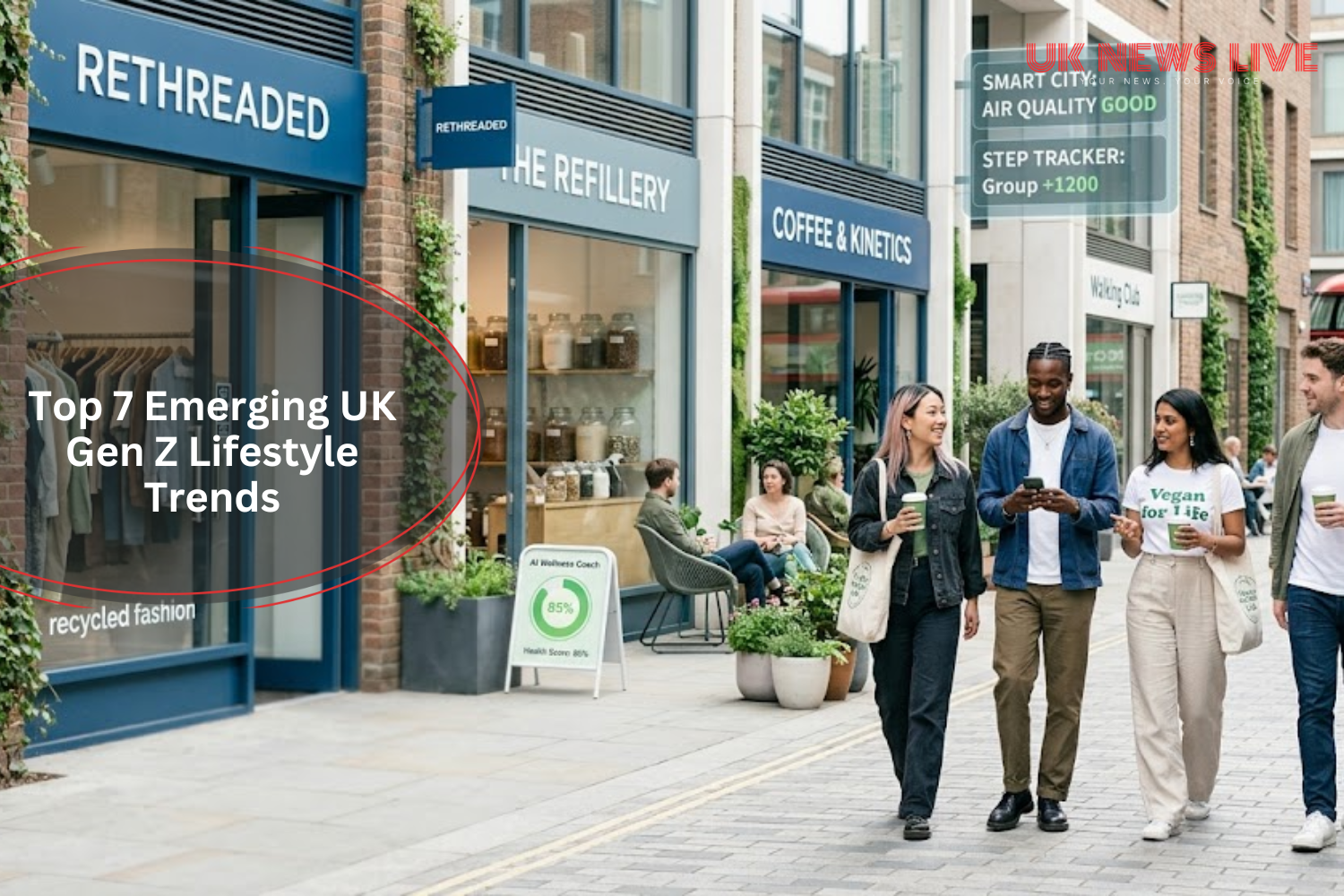
What defines a Gen Z lifestyle trend in Britain in 2026?
Unlike slow-moving macro-level economic cycles, Gen Z lifestyle trends represent rapidly evolving consumer behaviors, aesthetic choices, and cultural priorities that define how Britain’s younger generation navigates high streets, digital feeds, and urban spaces.
They capture how Gen Z consumers in the UK actively align their spending, leisure time, and personal health routines in real time.
First observed across social media communities and urban hubs like London, Manchester, and Edinburgh, these lifestyle shifts reflect a broader evolution toward conscious, experience-led consumerism.
It’s suggested that factors driving this rapid evolution are:
- Social: A decisive pivot toward daytime-centric socialising, community-driven hobbies, and alcohol-free entertainment.
- Economic: Value-conscious luxury—seeking high-end tailoring, durable design, and premium aesthetics at accessible price points.
- Demographic: Gen Z prioritising preventative health, mental wellbeing, and circular, sustainable living.
- Cultural: The seamless blending of digital innovation (AI tools, health tracking) with tactile, real-world outdoor and community experiences.
Disclaimer: All information provided was correct at the time of publication and was collected with the help of accredited tools and real-world data insights.
At a Glance: The UK Gen Z Lifestyle Landscape
While traditional demographic shifts develop over decades, Gen Z consumer trends move fast—driven by changing values, viral digital communities, and pioneering UK businesses.
To help brands, retailers, and industry watchers quickly digest where Gen Z momentum is heading in the UK in 2026, here is a high-level snapshot of the top 7 lifestyle trends shaping British lifestyle, hospitality, and retail:
1. “Quiet Luxury” High-Street Dupes

UK Gen Z sentiment has shifted decisively from logomania to “stealth wealth”. The focus is now on fabric integrity, precise tailoring, and zero branding.
The days of loud logos and throwaway fast-fashion are officially being rejected by younger consumers. Gen Z shoppers are pivoting heavily toward “anti-trend” wardrobe staples—prioritizing clean cuts, neutral linen palettes, and natural fabrics that mimic high-end designer aesthetics without four-figure price tags.
Examples of Brands Bringing This Trend to Life
- CEHTR: A British slow-fashion indie brand crafting zero-logo forever pieces—such as raw Italian cotton denim jackets and architectural trousers—manufactured directly in England for under £180. (Source: https://cehtr.com/pages/guides-best-quiet-luxury-slow-fashion-brands-uk-2026)
- Mango: Leading the high-street transition with its viral Matilda straight-leg jeans, swapping synthetic blends for structured, weighted cotton that delivers high-end tailoring under £20. (Source: https://www.redonline.co.uk/fashion/fashion-news/a71929712/mango-matilda-straight-leg-jeans/)
2. “Walkable Weekends” & Urban Micro-Hiking
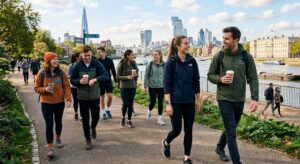
Socializing is moving outdoors. Urban walking clubs and step-count challenges are rapidly replacing traditional weekend pub sessions among Gen Z.
Instead of sitting in crowded bars or spending heavily on indoor entertainment, weekend socialization is moving into the open air. Driven by Strava step challenges, urban walking clubs, yoga park trends, and wellness-focused outdoor gatherings, “walkable weekends” prioritize multi-stop city rambles, historic trail loops, scenic coffee walks, and community yoga sessions that double as fitness routines and social catch-ups. Interest in nude yoga in the UK also reflects a broader shift toward body-positive wellness experiences and alternative ways to connect with nature.
Examples of Brands Bringing This Trend to Life
- Strava: The digital fitness platform continues to expand its social route-building features, enabling local UK walking groups to map out and share urban routes. (Source: https://www.walkersbritain.co.uk/blog/top-26-trips-to-do-in-2026)
- Cotswold Outdoor: As more Gen Z consumers embrace walking clubs, micro-hiking, and weekend adventures, Cotswold Outdoor provides technical footwear, waterproof clothing, and hiking equipment that support the growing demand for accessible outdoor lifestyles. (Source: https://news.clickdo.co.uk/top-outdoor-sports-apparel-stores/)
3. “Garden-to-Table” Menus & Botanical Dining
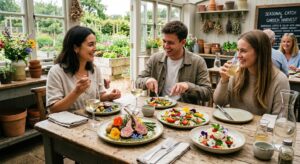
Driven by the influence of eco-conscious dining movements and events like the RHS Chelsea Flower Show, Gen Z foodies are demanding menus built directly around hyper-seasonal, homegrown botany.
UK culinary culture is evolving past simple “locally sourced” claims. Restaurants and farm shops are constructing daily menus directly around edible flowers, heritage herbs, and hyper-local rooftop harvests, blending horticulture directly into the Gen Z dining experience.
Examples of Brands Bringing This Trend to Life
- The Pig Hotels: Pioneers of the “25-mile menu” philosophy, demonstrating how country-house kitchen garden yields directly dictate daily dining offerings. – (source: https://www.thepighotel.com/)
- Daylesford Organic: Translating garden-to-table dining to high-street farm shops, combining organic horticulture, sustainable retail, and seasonal cafes. – (source: https://www.daylesford.com/)
4. “Mindful Nightlife” & Soft Clubbing
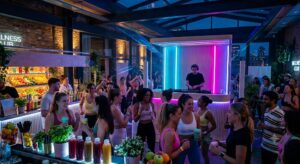
Nightlife is undergoing a fundamental paradigm shift as Gen Z drinks significantly less than previous generations. Rather than choosing between a late-night dance floor and a healthy sleep schedule, young clubbers are embracing “soft clubbing”.
This trend strips away traditional 3 AM exhaustion, expensive bar tabs, and hangovers—replacing them with high-fidelity sound systems, curated DJ sets, early-evening timetables (4 PM–10 PM), and alcohol-free social hubs. Alongside the rise of mindful nightlife, many people are also exploring swinger club alternatives and other lifestyle-focused social events that emphasize wellness, meaningful connections, shared interests, and community experiences over conventional nightlife.
Examples of Brands Bringing This Trend to Life
- Kasa Café (Moonstarr Singles Sober Raves): A London venue pioneering daylight dancing organized by self-empowerment expert Moon Onyx Starr, where partygoers gather to dance to top-tier DJs while enjoying craft non-alcoholic drinks. – (source: https://www.londonbusinessnews.com/soft-clubbing-in-london/)
- FOLD (UnFOLD Sessions): Operating daytime UnFOLD Sunday sessions as a high-energy, camera-banned daytime ritual for youth who prefer to dance under the sun rather than the stars. – (source: https://www.eventbrite.co.uk/blog/press/newsroom/seize-the-day-gen-z-is-rewriting-the-party-playbook-with-soft-clubbing/)
5. “AI Wellness” & Digital Triage

Healthcare pathways and mental well-being routines are incorporating conversational AI tools and wellness apps to deliver instant self-referrals, CBT exercises, and habit coaching.
Daily health check-ins are adopting conversational AI. Rather than waiting weeks for initial appointments or relying solely on paper journals, Gen Z digital natives are utilizing AI platforms for real-time Cognitive Behavioural Therapy (CBT) guidance and instant wellness support.
Examples of Brands Bringing This Trend to Life
- NHS App (AI Triage Rollout): Integrating adaptive AI triage tools directly into the app to evaluate symptoms and route citizens to the appropriate care pathways, helping cut phone queue demand by up to 29%. (Source: https://www.nationalhealthexecutive.com/articles/nhs-accelerates-ps10bn-ai-rollout-modernise-care)
- Wysa: An AI-powered conversational agent providing confidential, CBT-based emotional support and daily guided mental health exercises.
6. Circular Refill Infrastructure
 Gen Z consumers are increasingly rejecting single-use packaging in favor of closed-loop, in-store liquid and dry refilling stations.
Zero-waste shopping is transitioning from niche eco-grocers into major retail supply chains. From neighborhood pantries to automated laundry detergent refill kiosks in major supermarkets, Gen Z shoppers are choosing reusable packaging to reduce plastic waste like spout pouches as reported by the Green Living Blog.
Examples of Brands Bringing This Trend to Life
- Faith in Nature: A B-Corp body care pioneer that has expanded nationwide with dedicated in-store liquid refill hubs for hair and body care products, allowing shoppers to return and reuse their existing bottles. (Source: https://www.faithinnature.co.uk/pages/find-a-faith-in-nature-refill-station-near-me)
- Valpak: The packaging compliance specialist helping UK major retail supply chains transition into circular, refillable packaging models under new Deposit Return Scheme (DRS) compliance guidelines.
7. Circadian Light Hygiene

As awareness around sleep architecture expands among health-conscious Gen Z buyers, home lighting design is shifting to match natural circadian rhythms.
Home lighting is no longer just about room décor—it is being optimized for biological well-being. Britons are swapping harsh, blue-spectrum overhead lights for warm-toned lamps, sunrise alarms, and smart dimmers that support natural melatonin production and wind-down routines. As demand for circadian-friendly lighting and smart home systems grows, electricians in the UK are increasingly helping homeowners install energy-efficient lighting, programmable dimmers, smart switches, and automated lighting controls that improve both comfort and sleep quality.
Examples of Brands Bringing This Trend to Life
- Lumie: The Cambridge-based light therapy pioneer creating lamps and alarm systems that simulate natural dawn and dusk cycles to regulate sleep-wake patterns. (Source: https://www.lumie.com/pages/bright-light-therapy-faqs)
- Philips Hue: Leading smart lighting integrations with automated evening routines that shift indoor bulb color temperatures toward warm amber tones at sunset. (Source: https://www.philips-hue.com/en-gb/explore-hue/blog/wellbeing)
Looking Ahead: How UK Brands Are Shaping the Next Wave
Britain’s lifestyle and business landscape continues to be transformed by quick-moving micro-trends and visionary entrepreneurs. As these Gen Z lifestyle trends reshape hospitality, retail, and leisure across London and the broader UK, navigating them successfully requires more than just catching the wave—it demands transparent pricing, clear consumer messaging, and effortless checkout journeys to ensure brand loyalty remains uninterrupted as market habits evolve.
At the UK News Blog, we’ll continue featuring the founders, funding news, and brand milestones leading the way. Are you a UK brand founder, retailer, or market innovator driving new consumer trends? Share your data, tips, and insights with our editorial team to be featured on our Trendspotter page and help shape the conversation.
Get in touch with us to get your trends covered!