



























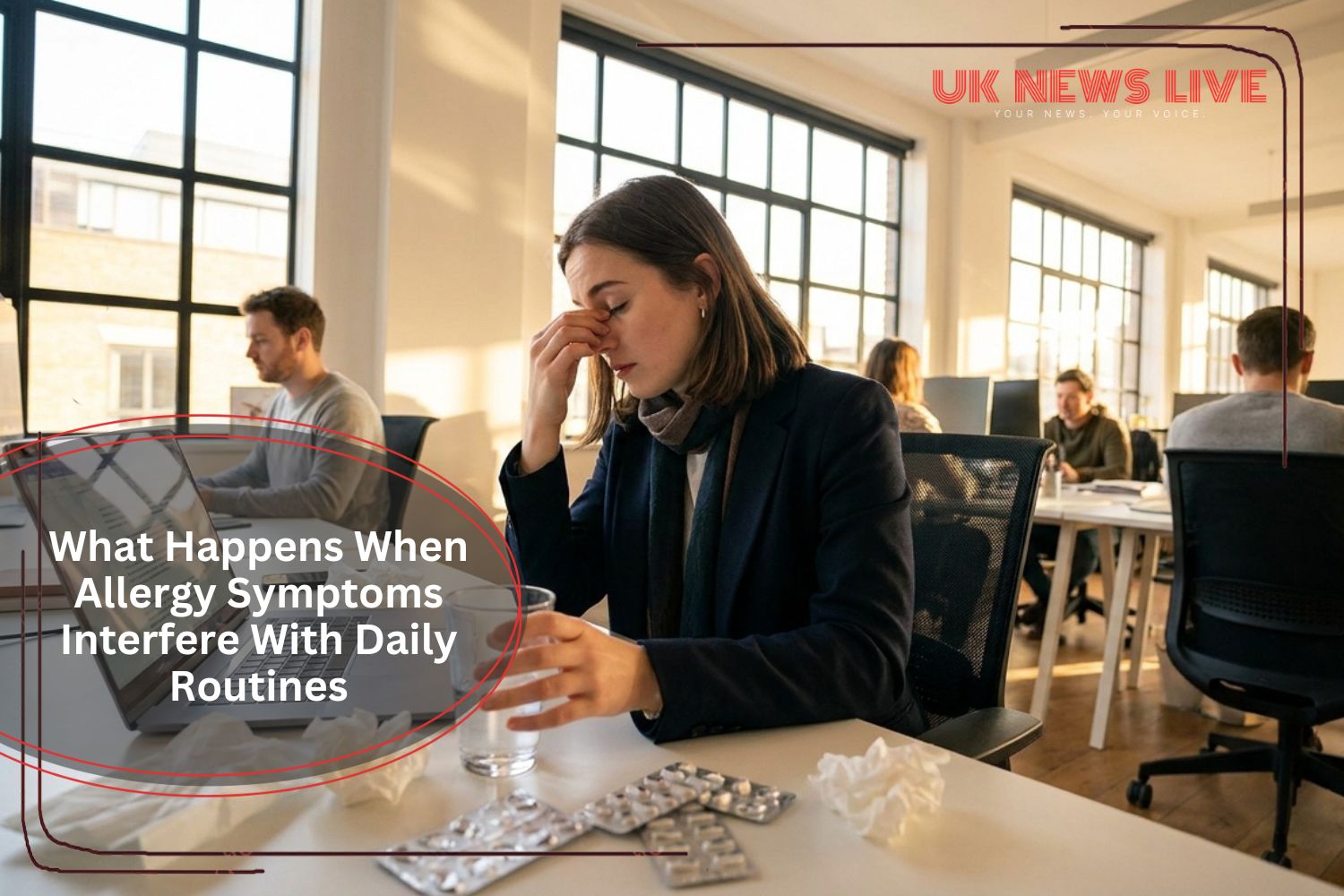
Three in the morning. Congestion worse than an hour ago. Working day in five hours. For a lot of UK adults, this is not a bad night. It is the entire season.
Fexofenadine tablets are less likely to cause drowsiness than older antihistamines. That is why many people choose them for daytime symptoms. Getting the dose right and understanding which fexofenadine warnings apply can make treatment more reliable.
How Allergies Disrupt Work Performance and Concentration
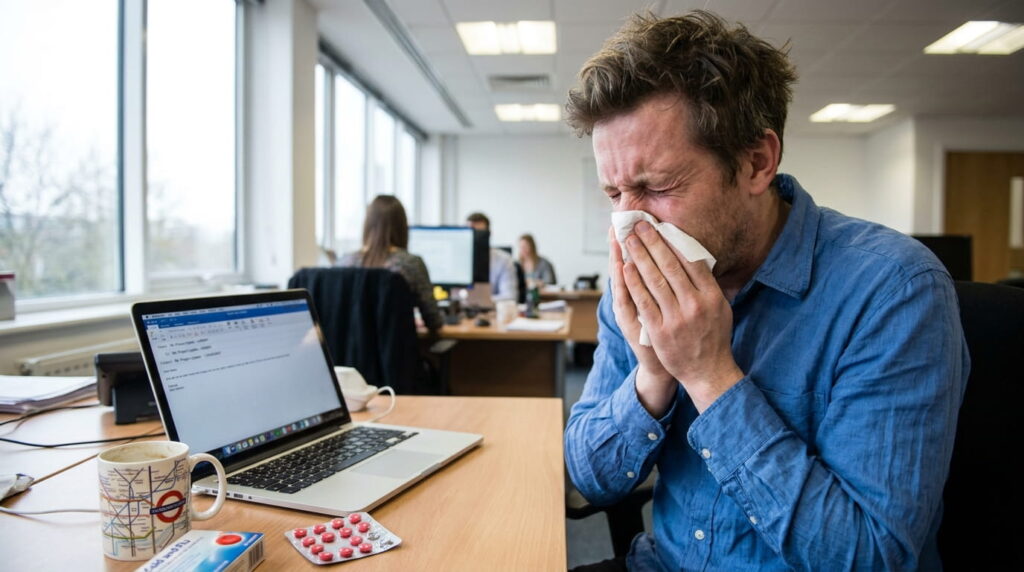
Histamine hits several systems at once. Sneezing. Blocked nose. Watering eyes. None of them catastrophic individually. All three together, across a working week, across twelve weeks, is a different calculation entirely.
People trying to learn about fexofenadine need pharmacy guidance on dose, suitability, warnings, and how the medication fits into managing allergy symptoms during working hours.
Productivity losses mostly go uncounted. Staff show up. That counts as fine. A sneeze breaks a sentence mid-thought. A blocked nose makes phone calls uncomfortable. Postnasal drip never gets bad enough to stop and never goes away enough to ignore. Five days of that, twelve weeks running, is where the real cost sits.
Think about the commute with a congested nose. An outdoor lunch that triggers forty minutes of sneezing. A meeting where nothing quite sticks. None of these register as serious. Repeated daily across a season they become the new normal, which is the part that is easy to miss.
Nights compound it all. Congestion intensifies after midnight. Coughing fragments sleep. Morning fatigue gets blamed on work pressure, the wrong attribution, and nothing changes.
When Symptoms Get in the Way of Exercise
Congestion during exercise often means mouth breathing. Uncomfortable. Harder to sustain. Throat irritation follows. For runners, cyclists, anyone playing outdoor sport, that is a real reduction in what the session produces rather than a minor inconvenience to push through.
Grass pollen in the UK peaks somewhere between May and July. Tree pollen can arrive earlier in the year, depending on region and weather. Neither is consistent across the day. Met Office pollen forecasts give region-specific data at no cost. Morning sessions on high-pollen days hit differently from afternoon ones. Worth checking before lacing up.
Eyes water. Not ideal when sight matters. Wraparound sunglasses reduce direct pollen exposure to the eyes. Not treatment. Combined with a consistent antihistamine they address different parts of the same problem.
Fexofenadine tablets are less likely to affect alertness than older sedating antihistamines. That matters when managing symptoms during activity rather than rest.
Why Hay Fever Can Ruin Sleep Before Morning Starts
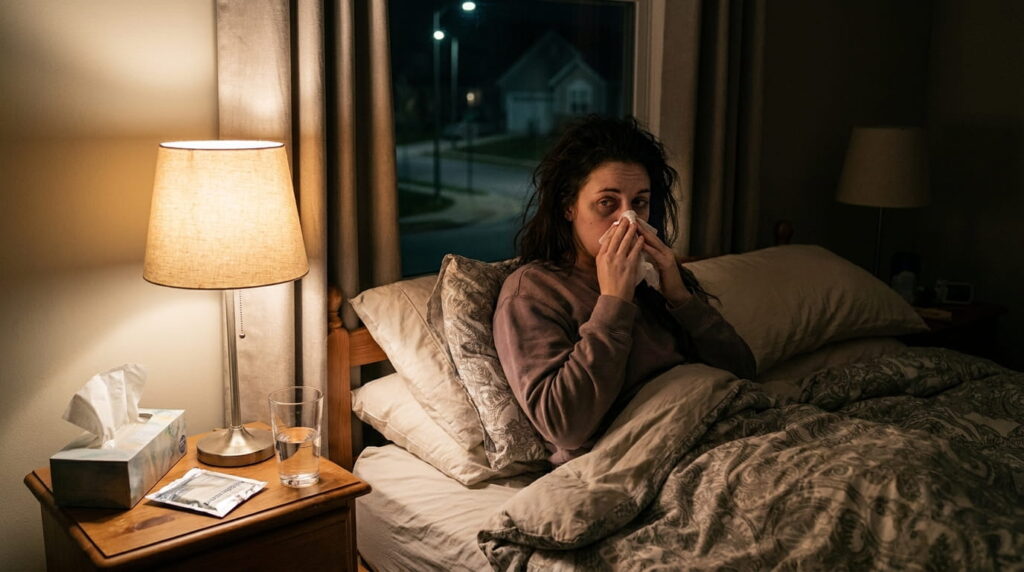
Night symptoms build without announcement. Lying down shifts congestion upward. Postnasal drip starts. Coughing comes and goes at irregular intervals. Fragmented. Not dramatic enough to feel like a medical problem. Persistent enough to degrade sleep quality across weeks.
Older antihistamines add to this problem rather than solving it. Diphenhydramine and chlorphenamine sedate. Some people feel less alert into the following morning. Taking one for nighttime congestion and then trying to work at normal capacity the next day means the medication is adding to the morning heaviness. Most people attribute all of it to the allergy rather than realising the tablet is part of what they are feeling.
School run. Gym session. Morning calls. All harder when the night before was fragmented. That is the cost of hay fever that rarely gets labelled correctly.
Choosing Non-Drowsy Allergy Relief for Daytime Use
Fexofenadine targets the histamine response and is less likely to cause drowsiness than older antihistamines. Less sedation for many people. Symptom control with less of the heavy feeling that some older tablets can bring.
Once daily. The 120mg tablet covers hay fever in adults and children aged 12 and over. The 180mg strength is for chronic urticaria. Different conditions, different doses. The reason for taking it determines the right one.
Taking it consistently, as directed, helps avoid chasing symptoms after they have already built up. Reactive dosing, only when sneezing becomes obvious, is always running behind the problem.
Fexofenadine warnings worth acting on: antacids with aluminium or magnesium hydroxide cut absorption when taken at the same time. Grapefruit, orange, and apple juice can do the same. Water is the safest choice. Antacids need spacing away. Anyone on regular medication should run an interaction check with a pharmacist before starting.
Small Habits That Keep Allergy Season More Manageable
Met Office pollen forecast. Thirty seconds. Region-specific, free, and specific to pollen type. Changes decisions about outdoor timing, commute choices, when to take medication. Nobody builds this habit until they decide to. Then it takes thirty seconds a day.
Shower and change after outdoor time. Removes pollen before it transfers to furniture and bedding where it continues exposure for hours indoors. Simple. Consistent. Worth doing.
Closed windows during peak pollen hours. Regular vacuuming with HEPA filtration. Neither requires significant effort. Both reduce what the immune system is reacting against throughout the day.
Taking fexofenadine tablets at the same time each day, as directed, helps avoid chasing symptoms after they arrive.
Getting Through Allergy Season Without Losing Ground
Allergy season does not destroy a routine all at once. It erodes sleep by degrees. Focus dips slightly. Exercise sessions shorten. Patience runs thinner than usual. The pattern becomes normal before anyone notices it has changed.
The better setup starts earlier. Check the forecast. Choose treatment with the right dose and warnings understood. Keep pollen away from the spaces where sleep and work happen. Small steps, repeated before symptoms take over, can keep the season from dictating the day.