
























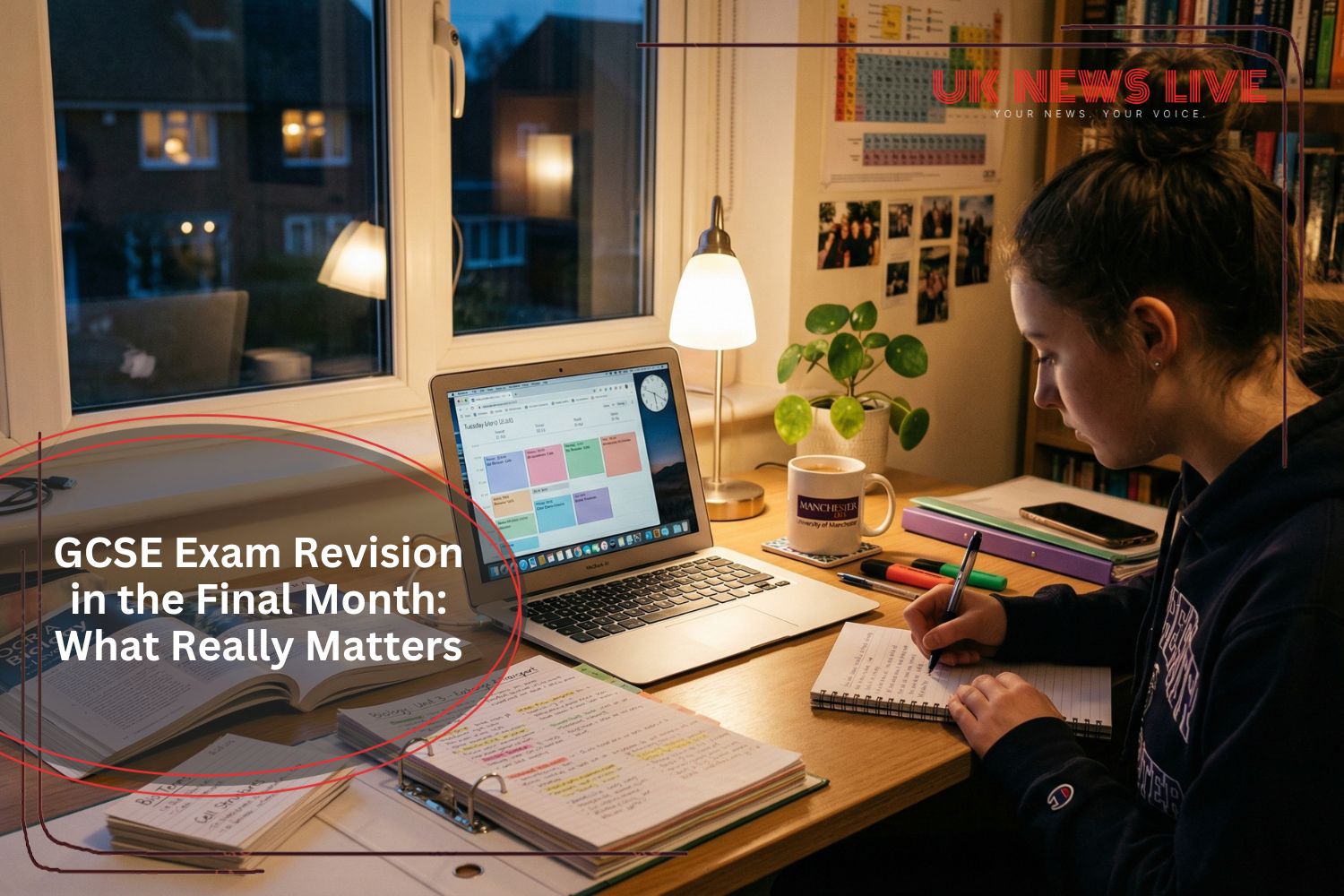
The final four weeks before your exams can feel like a whirlwind of pressure and endless lists of topics. It’s easy to be overwhelmed by the sheer volume of information you’re expected to know for your GCSEs.
However, this last month isn’t about trying to learn everything from scratch. It’s about refining what you already know and making sure you can apply that knowledge under exam conditions.
Efficiency is the name of the game during this period. You don’t have time to read through every textbook cover to cover, so you must be strategic with your remaining hours. By shifting your focus from passive reading to active testing, you’ll find that your retention improves and your anxiety levels drop.
If you’re wondering how to structure your final countdown to achieve the best possible results, let’s get into it and learn the proven strategies to stay on track.
Prioritise Active Recall
Many students make the mistake of spending hours highlighting notes or re-reading chapters. While this feels productive, it’s often a passive form of learning that does little to prepare you for the exam hall. Instead, focus on active recall. This means testing yourself by trying to remember information without looking at your notes.
You can do this by using flashcards or by simply closing your book and writing down everything you remember about a specific topic. If you notice gaps in your knowledge, check high-quality GCSE revision notes from reputable providers like Save My Exams. Their syllabus-specific resources, created by experienced teachers and examiners, help you concentrate on what matters most for your exam board.
Don’t worry about getting things wrong during this process. Spotting weaknesses now is far better than discovering them in the actual exam. Every mistake you make while practising is a chance to improve and build confidence for the real thing.
Master the Art of Past Papers

Once you’ve brushed up on your core knowledge, you need to apply it. Understanding a scientific concept is one thing but explaining it in a way that earns full marks from an examiner is another skill entirely. This is why past papers are the most valuable tool in your revision kit during the final month.
Working through previous exam questions helps you become familiar with the layout of the paper and the wording of the questions. It also highlights the command words that examiners use, such as describe, explain, or evaluate. Each of these words requires a different type of answer, and knowing the difference can be the factor that pushes your grade higher.
Look After Your Wellbeing
It’s easy to forget about your physical health when you’re worried about grades, but your brain won’t function at its best if you’re exhausted. You need to maintain a healthy balance to keep your focus sharp. Make sure you’re getting enough sleep every night, as this is when your brain processes and stores the information you’ve learned during the day.
Taking regular breaks is also vital. During your breaks, try to step away from screens. A quick walk or a snack can do wonders for your mental clarity.
Don’t forget to stay hydrated and eat well. It’s tempting to rely on caffeine or sugary snacks, but these often lead to energy crashes later on. Aim for slow-release energy foods like porridge or nuts to keep you going through long study sessions.
Let’s Recap
As the finish line approaches, stay positive and remind yourself of how much progress you’ve already made. Consistency is more important than perfection, so even if you have a bad day, don’t let it ruin your entire week. Just pick up where you left off and keep moving forward.
Focusing on active revision, practicing with past papers, and maintaining your health will put you in the best possible position. You’ve put in the hard work, and now it’s just about showing the examiners what you can do.