




























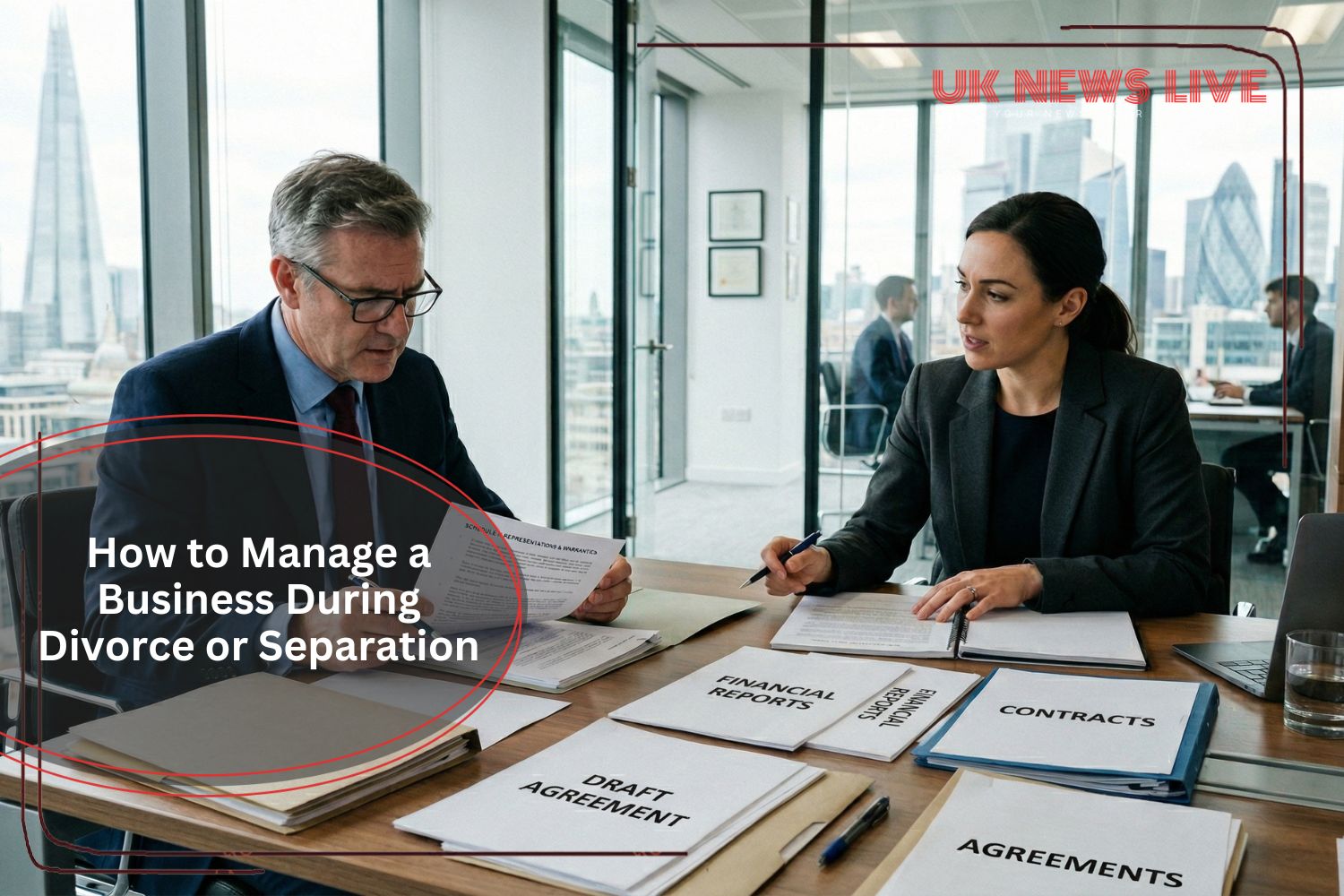
Running a business demands attention, structure, and consistent decision-making.
Personal separation introduces a different set of pressures that can quickly affect how a company operates.
Financial questions arise, ownership may be challenged, and focus can shift at a time when stability matters most.
Clear thinking helps. So does knowing where the risks sit and how to handle them. Business owners who take a measured approach often protect both their company and their long-term position.
The Role a Business Plays in Divorce Settlements

A business often forms part of the overall financial picture in a separation. Its value, income, and future potential can all be considered during settlement discussions. That means decisions about ownership and control may come under review.
Legal professionals assess several factors. These include when the business was formed, how it has grown, and each partner’s involvement. A company built during a marriage is often treated differently from one established earlier.
London divorce lawyers frequently deal with cases where a business represents a significant share of total assets. Their role involves clarifying what portion may be shared and what remains separate. That process can affect how negotiations move forward.
Careful documentation supports your position. Financial records, shareholder agreements, and evidence of contributions all play a part. Without clear records, disputes tend to take longer and become more complex.
Dividing Business Assets Without Harming Long-Term Value
Splitting business interests requires precision. A rushed agreement can reduce the value of what took years to build. Fair division depends on accurate valuation and a full picture of finances.
Professional valuers often assess turnover, profit, assets, and projected earnings. That figure then forms the basis of negotiation. Some owners retain full control while compensating the other party through different assets. Others agree on shared ownership or phased buyouts.
Complex financial cases call for experienced legal input. Guidance from a trusted family law firm in London, like Stowe Family Law, can help structure agreements that protect business continuity while meeting legal obligations. Strong advice reduces the risk of decisions that weaken future growth.
London family solicitors often assist with negotiating terms that balance fairness with practicality. Their input can help avoid unnecessary disruption, especially when the business supports both parties financially.
Clarity matters at every stage. Hidden liabilities or unclear business formation or ownership structures tend to surface later, often causing further disputes.
Keeping Operations Stable While Legal Matters Unfold
Daily operations still need attention, even when personal matters demand time. Staff rely on consistent leadership, and clients expect the same level of service.
Short-term adjustments can help maintain stability. Delegating responsibilities to trusted managers reduces pressure and keeps workflows consistent. Clear internal communication also prevents uncertainty from spreading across teams.
Business owners benefit from setting boundaries between personal issues and company decisions. That separation helps maintain focus and avoids reactive choices that could harm the business.
External advisors can offer perspective when decisions feel difficult. Accountants, legal professionals, and senior team members often provide a more balanced view during periods of stress.
Steps That Reduce Risk to Your Company During Separation

Existing agreements can provide a level of protection. Shareholder agreements, partnership contracts, and company policies often outline what happens if ownership changes.
Reviewing these documents early helps identify potential issues. Some agreements include clauses that restrict share transfers or define how valuations should be handled. These details can prevent disputes later.
Adjustments may be needed if ownership structures change. That could involve redistributing shares or redefining roles within the business. Each decision should support long-term stability rather than short-term convenience.
Professional advice plays a role here as well. Legal guidance helps ensure that any changes align with regulations and protect the company’s future direction.
Communication Challenges with Partners and Stakeholders
Business relationships rely on trust. Separation can raise concerns among partners, investors, and key clients, even if the business itself remains stable.
Clear communication helps manage expectations. Sharing relevant information at the right time prevents speculation while maintaining professional boundaries. There is no need to disclose personal details, yet silence can create uncertainty.
Consistency matters. Mixed messages or delayed updates may lead to doubts about leadership. A steady approach reassures stakeholders that the business remains on track.
Partners may also require formal updates, especially if ownership structures could change. Keeping discussions factual and focused on business outcomes tends to produce better results.
Financial Pressure Points Business Owners Often Face
Separation often brings additional financial strain. Legal costs, potential settlements, and changes in personal income can all affect business decisions.
Cash flow becomes a key concern. Owners may need to reassess spending, delay expansion plans, or review investment strategies. Maintaining liquidity helps keep the business resilient during uncertain periods.
Tax implications also require attention. Asset division can trigger tax liabilities, depending on how agreements are structured. Early advice from financial professionals helps avoid unexpected costs.
Planning ahead reduces pressure. A clear financial overview allows business owners to make informed choices rather than reactive ones.
Decision-Making When Personal Stress is High
Emotional strain can influence judgement. That effect is often subtle, yet it can lead to choices that do not align with long-term goals.
Structured decision-making helps maintain clarity. Writing down options, reviewing potential outcomes, and seeking input from trusted advisors creates a more balanced approach.
Time also plays a role. Decisions made under pressure may benefit from a short pause, allowing for better evaluation. That space often leads to more measured outcomes.
Support networks matter. Professional guidance combined with trusted personal support can make a significant difference during challenging periods.
Seek the Right Support for Business and Personal Stability
Managing a business during separation requires careful handling of both financial and operational factors. Each decision shapes future outcomes, from ownership structure to day-to-day management.
Reliable advice helps reduce uncertainty. Legal professionals, financial experts, and experienced advisors all contribute to a clearer path forward. With the right support, business owners can maintain stability while working through personal changes.