



























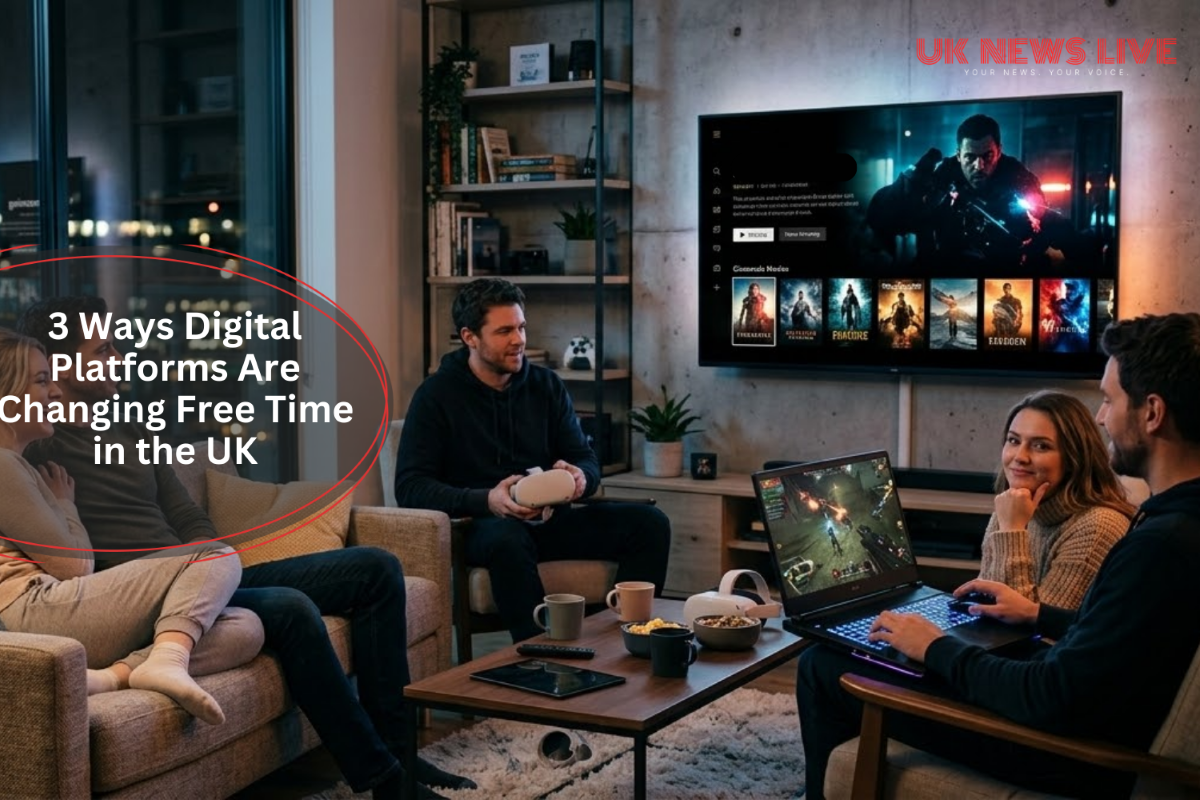
For decades, leisure time was defined by geography: a trip to the local British pub, a queue at the high street cinema, or a drive to a regional football match.
Today, however, the boundaries of entertainment have dissolved. People are increasingly trading physical tickets for digital access keys, choosing to spend their downtime in a sprawling, borderless online ecosystem that operates twenty-four hours a day.
This is more than just a change in medium; it is a restructuring of how we socialise and consume culture. The limitations of location no longer dictate our options, allowing a resident of a quiet village in the Cotswolds to participate in the same live events as someone in downtown Tokyo.
As high-speed internet becomes universal and hardware becomes more affordable, the preference for decentralised, global entertainment over local offerings is reshaping the leisure economy.
Immersive Virtual Reality Social Spaces Expanding
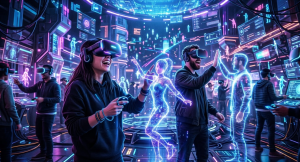
The concept of “going out” is being redefined by virtual reality (VR) platforms that offer presence without travel. Unlike the solitary gaming experiences of the past, VR spaces are inherently social, designed to replicate the serendipity of real-world interactions.
Users are meeting friends in digital lounges, attending virtual concerts, and exploring art galleries that exist solely in the cloud. These platforms provide a sense of immersion that passive screen time cannot compete with, fulfilling the human need for connection while eliminating the logistical friction of transport and scheduling.
For many professionals, these digital third places offer a convincing alternative to crowded city centres. The ability to socialise in a controlled, customisable environment appeals to those seeking relaxation without the unpredictability of a night out.
The improvement in avatar fidelity and haptic feedback technology is blurring the line between physical and digital presence, making these virtual gatherings feel increasingly authentic and emotionally satisfying.
Cross-Border Competitive Gaming and Digital Tournaments
Gaming has evolved from a hobby into a massive global spectator sport, creating a borderless arena where nationality is secondary to skill. For example, various bitcoin casinos for USA players allow cross-border poker or blackjack tournaments. This allows someone from the US to compete directly with rivals from the UK, South Korea, and Brazil in real-time. This global connectivity has allowed communities that are defined by shared interests rather than shared postcodes, creating a vibrant digital culture that operates independently of local time zones.
This international accessibility also extends to the platforms and economies surrounding these games. Users are becoming increasingly comfortable navigating global digital marketplaces that operate outside traditional banking systems. This willingness to engage with decentralised platforms highlights a broader trend: entertainment seekers are prioritising accessibility and user experience over geographical proximity.
Interactive Live-Streamed Theatre And Comedy Events
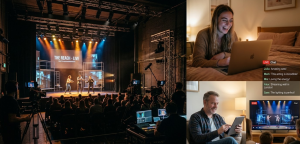
The theatre and comedy sectors have successfully moved to hybrid models, discovering that online audiences are just as valuable as physical ones. Live-streaming technology has matured to the point where it can deliver high-definition, low-latency broadcasts of West End shows or stand-up gigs directly to living rooms. This democratisation of culture means that premium entertainment is no longer the exclusive preserve of those living in major metropolitan areas.
The financial impact of this digital expansion is undeniable, with recent data highlighting the sector’s explosive growth. For instance, the UK digital entertainment sector revenues reached £13.3 billion in 2025, marking a 7.1% increase from the previous year.
This surge suggests that consumers are not using online options as a backup but are actively choosing them as their main form of engagement.
Why Decentralised Entertainment Outlasts Traditional Leisure
The staying power of this digital transformation lies in its exceptional convenience and the depth of choice it offers. Traditional leisure activities are often limited by capacity, weather, and transport links, whereas digital platforms offer infinite scalability.
As the cost of living fluctuates, the value proposition of a subscription service or a digital game becomes increasingly attractive compared to the rising costs of dining out or attending physical events. The habit is already deeply ingrained in the population.
This transition is supported by widespread adoption metrics that show digital entertainment is now a staple of daily life rather than a luxury. At least 85% of UK homes used at least one subscription video-on-demand service in 2024, highlighting a saturation of digital media usage across the country. The integration of digital leisure into our routines appears permanent, signalling a future where our most meaningful entertainment experiences may well happen without us ever leaving the house.