






















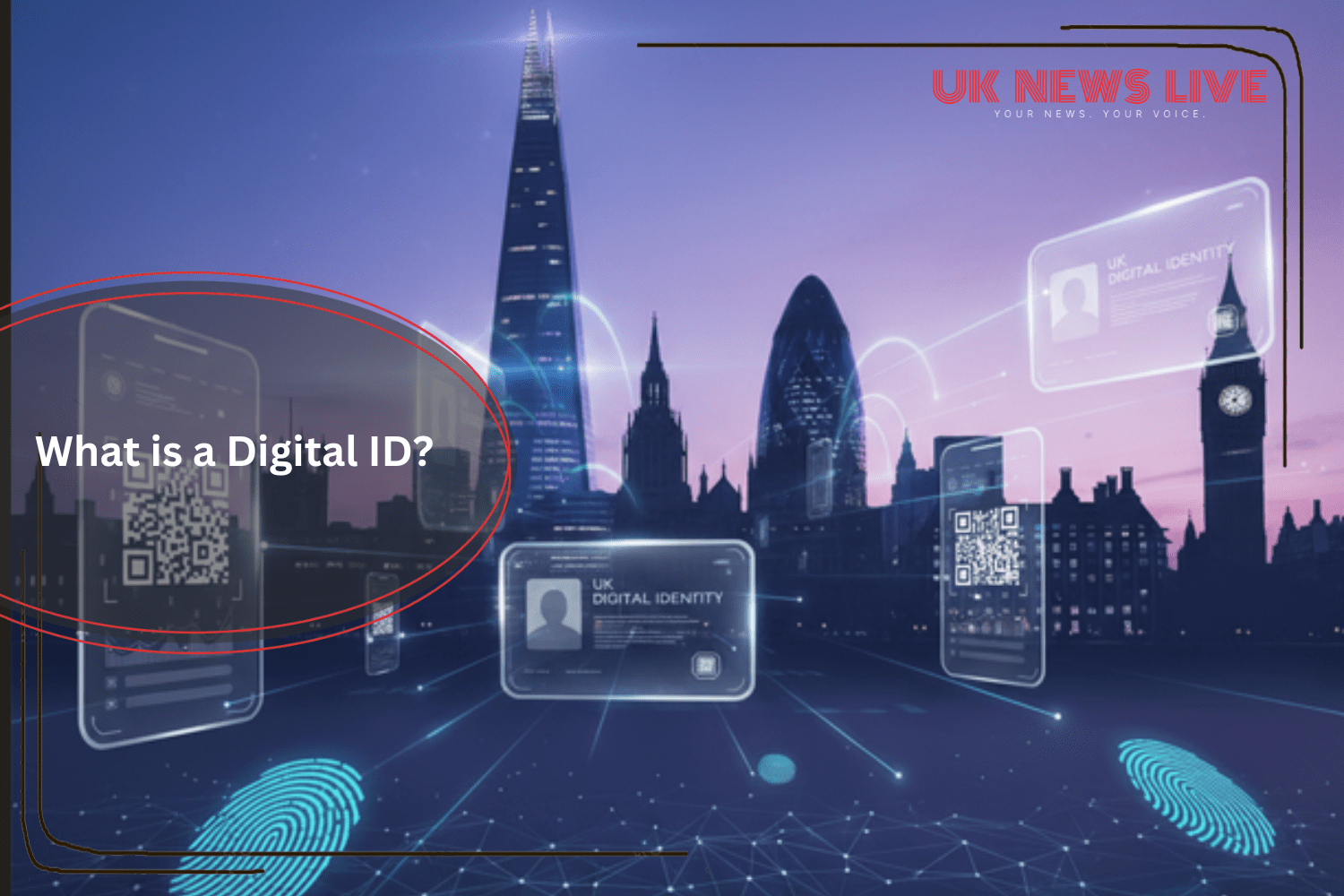
A digital ID is a secure way to prove your identity using your phone or computer, instead of showing paper documents.
It verifies your personal details online, which makes everyday tasks and access to services faster and easier.
The UK has a unique history with ID: there’s no tradition of mandatory identity cards, and attempts to introduce them (like during World War II) have sparked public debate about privacy and government power.
British law generally values civil liberties and the right not to show ID without cause. So, opinions on digital ID are mixed, with many welcoming faster accesses to services but others wary of surveillance and data misuse and exclusion of those not using digital devices.
Disclaimer: All the information provided was correct at the time of publication (October 2025) and was collected with the help of accredited tools and AI.
What Is the UK’s Digital ID Scheme?
The UK’s digital ID scheme is a government plan to provide everyone with a free, official digital ID. It aims to simplify identity checks for jobs, rentals, benefits, and many public and private services, and prevent illegal work. (UK Government – Announcement)
How the Digital ID Scheme Will Work?
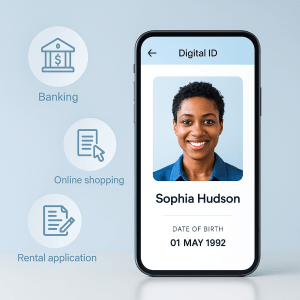
The new digital ID will be a free, app-based credential that stores your name, date of birth, residency status, and photo for biometric security.
The ID will be stored directly on your own device, and sharing information will only happen with your permission (UK Government- Explainer).
The digital ID will be mandatory for new right-to-work checks by 2028 but will not be required for NHS care or access to essential services.
Police will not have powers to demand your ID without cause, maintaining current civil liberties standards. (UK Parliament Petition)
Recent Digital ID Developments and Events
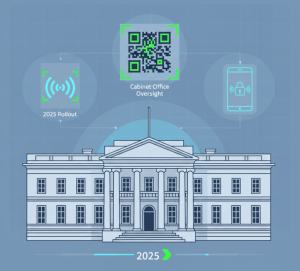
- September 2025: The government, led by Prime Minister Keir Starmer, announced the scheme’s nationwide roll-out, aiming to cover all citizens and legal residents by the end of the Parliament.
- The Cabinet Office is now responsible for centralised oversight, working to ensure standards, privacy, and national cohesion. (Identity Week)
- Smartphone-based verification using NFC and QR codes will be the standard, but the system is designed to ensure inclusion—supporting users with disabilities and providing in-person help where needed. (House of Commons Library)
Key Digital ID Stats and Facts

- The UK’s digital identity sector adds £888 million in value each year across 266 specialist firms. The industry has grown over 11% annually since 2020, showing rapid adoption. (UK Government Blog – Enabling Digital ID)
- Over 10% of UK residents have never had a passport but 93% have a smartphone. (ONS)
- As of 2025, 44% of UK adults have used digital ID in some context such as banking, online shopping, or housing according to official analysis. (UK Government – Research and Analysis)
- Digital ID is expected to reduce identity fraud and streamline verification for employers, landlords, and financial firms, with potential national gains of over £4.8 billion by 2031. (City of London/EY)
Note: Many fintech startups now use digital ID verification to speed up user onboarding. Explore some of the UK’s most innovative banking apps in our guide on top UK fintech startups.
Predictions and Insights
- The scheme’s success depends on business participation, ease of use, and continued public trust in privacy safeguards. (TechUK)
- The business community is already piloting “digital company IDs” for anti-fraud and Know Your Business (KYB) compliance, with positive early results.
- Adoption will be gradual and uneven. Experts expect higher take-up in urban centres and among younger, tech-savvy populations. (Juniper Research)
Notable Upcoming Events
- TechUK Digital ID Summit (London, October 2025): Key policy updates, industry showcases, and London-specific pilot results will be announced. (TechUK)
- Pilot results on digital ID for nightlife and business are expected by March 2026, which will shape the pace of national rollout. (Juniper Research)
We welcome any additional insights on this topic; simply let us know and get it featured.