























A digital detox is a deliberate and temporary break from digital devices, such as smartphones, computers, tablets, and social media platforms.
The goal of a digital detox is not to reject technology altogether, but to reduce overuse and restore balance.
Digital Detox — Definitions

The Oxford Dictionary defines a digital detox as “a period of time when a person does not use digital devices such as smartphones or computers, especially in order to reduce stress and relax.“ (Oxford Dictionary)
First Psychology Scotland defines digital detox as “a voluntary and intentional period when you reduce, or completely stop, spending time on your electronic devices.” (First Psychology Scotland)
While some interpret a digital detox as total abstinence, experts describe it as “digital dieting,” where the focus is on a sustainable, moderate reduction of usage rather than permanent disconnection. (frontiers)
Also read: 10 Digital Detox Tips for Marketers to Unplug & Recharge
Origins of the Term ‘Digital Detox’

The term “digital detox” is a 21st-century invention.
However, the concept behind it (that is the underlying desire to disconnect from overstimulation) has historical roots. (Fountain Magazine)
The journey toward the modern term and its definitions began in 1998, when researchers first proposed criteria for “internet addiction” as the World Wide Web entered mainstream households. (It’s Time To Log Off)
However, the cultural turning point occurred between 2010 and 2012, which was a period of mass proliferation of smartphones.
Analysis from the Google Ngram Viewer confirms this timeline, showing a dramatic spike in the frequency of the term “digital detox” beginning around 2010 and continuing its steep upward trend through 2022.
Early commercial usages of the term were pioneered by Oakland-based wellbeing organisation “Digital Detox,” which initially targeted “IT geeks and stressed-out Silicon Valley execs” through monthly retreats and device-free drinks parties. (The Guardian)
This era also saw the rise of the “Time Well Spent” movement, which highlighted the intentional addictive design of modern social platforms.
Why Digital Detox Matters Today
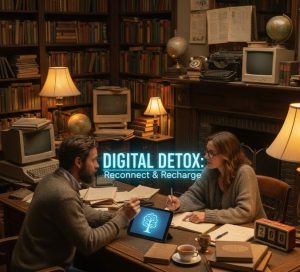
In 2025, digital detoxing is a developmental and professional necessity. (IT Desk UK)
Remote and hybrid work has blurred the lines between private life and employment, leading to “techno-invasion.”
To protect the workforce, the UK Government passed the Employment Rights Act 2025, which introduced the “Right to Switch Off.” (Lewis Silkin)
Furthermore, the environmental impact of our “always-on” culture is significant.
The ICT sector’s carbon footprint is now on par with the global aviation industry. (Sustainable Digital Technology and Services – UK Government)
Digital Detox — Consumer Opinions and Preferences
Public sentiment in Britain toward our digital habits has shifted toward cautious skepticism, however, British children aged 8–14 spend nearly 3 hours online daily, with 15-24% of that time occurring between 9 PM and 5 AM. (Ofcom)
Usage continues to climb, with the average UK adult now spending four and a half hours online daily; up by 10 minutes from last year. (Ofcom)
A 2025 study found that 87% of UK Gen Z respondents feel social media negatively affects their mental health, and 45% are worried they have an addiction. (The Cybersmile Foundation)
Interestingly, 64% of children aged 11–17 have taken proactive action, such as blocking or reporting content, and many use terms like “brain rot” to ironically acknowledge their dependence on fast-paced, nonsensical content. (digwatch)
The Science and Evidence Behind Digital Detox
The difficulty of a digital detox lies in neurobiology.
Social media platforms are designed to exploit the brain’s reward system by triggering surges of dopamine, which is the same neurotransmitter involved in gambling and substance addiction. (Smart Families)
Over time, chronic overstimulation can lead to “reduced reward sensitivity,” where users find it harder to enjoy real-world interactions. (Electronic Screen Use and Sleep Duration and Timing in Adults)
So, a digital detox acts as a “dopamine reset,” which allows the brain to return to a baseline state of calm and focus.
If you’d like to contribute more information on this, please write to us.
Resources on Digital Detox (UK)
- NHS Screen Time and Wellbeing Guidance
- Unplugged – Tech-Free Cabin Stays
- National Trust for Scotland – Digital Detox Holidays
- Global Day of Unplugging (6–7 March 2026)
Disclaimer: All information provided was correct at the time of publication (January 2026) and was collected with the help of accredited tools and real-world data insights.